Smart operational capabilities, cost control and stable infrastructure are becoming key factors in enhancing competitiveness. One industrial park, for example, has reduced operating costs by 18% and resolved incidents 30% faster after adopting a digital platform.
Why Are Many Industrial Parks Still Incurring Cost Losses Every Day?
An industrial park spanning several hundred hectares may contain thousands of infrastructure assets, including transformer stations, water supply and drainage systems, lighting, cameras, landscaping and wastewater treatment stations, among others. If all of these are managed using Excel spreadsheets, paperwork or disconnected software systems, the resulting costs can be substantial. A concealed water leak or electrical leakage within a 300-hectare industrial park can result in losses of hundreds of millions to billions of dong each year before being detected through manual inspection.
TNTech experts identify three of the most common “bottlenecks" in traditional operating models: fragmented data across departments; a “repair only after failure" approach to maintenance; and incident-handling processes that depend entirely on human intervention. These are the very factors that lead to such losses.
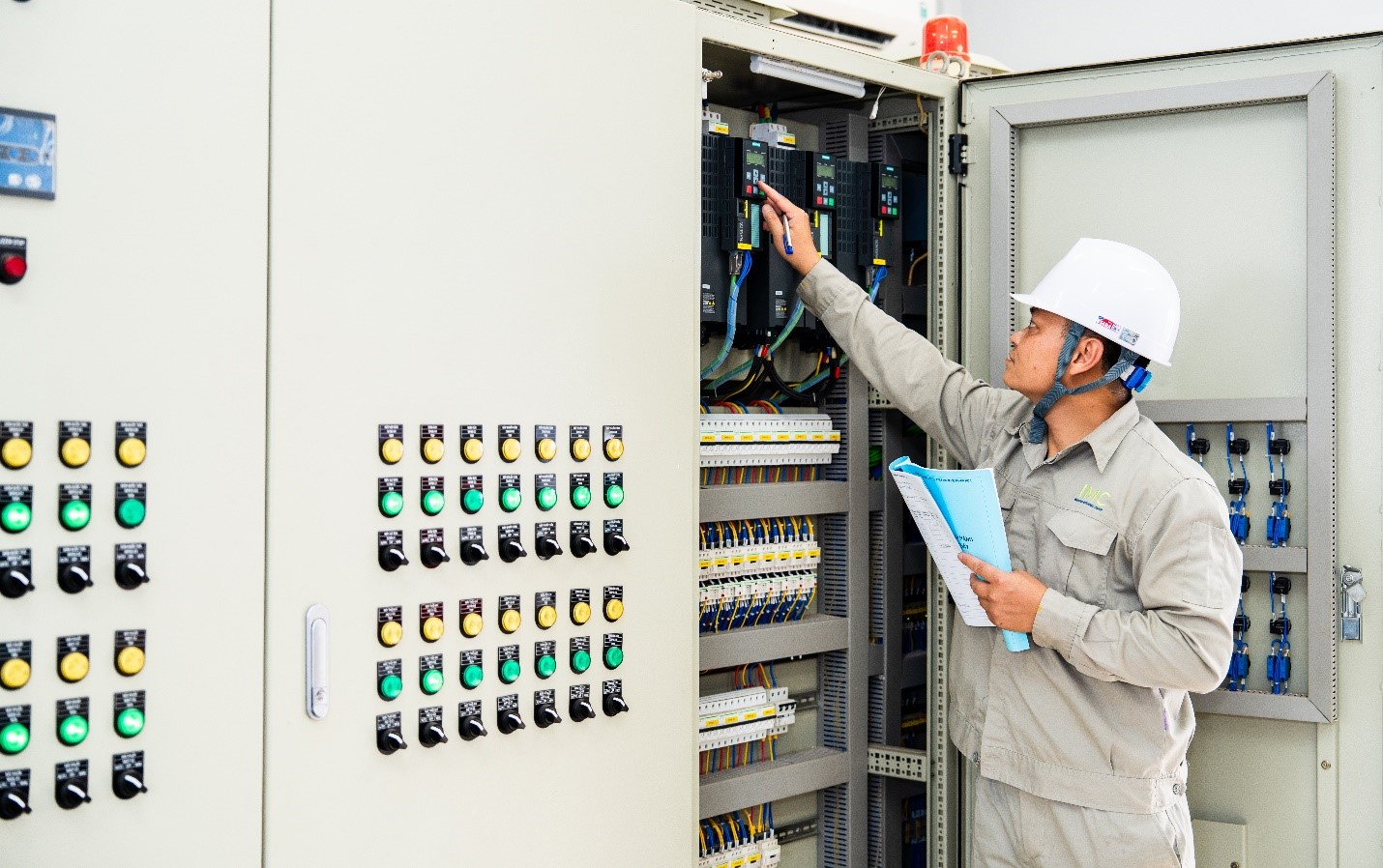
In day-to-day operations, losses can arise from seemingly minor issues: a leaking water pipe that is not detected promptly; a lighting system still running at 100% capacity when traffic has dwindled to only a few vehicles; or a pumping station that breaks down completely due to a lack of periodic maintenance. Each individual expense may appear insignificant, but when accumulated across an industrial park covering hundreds of hectares, with thousands of infrastructure assets and dozens of manufacturing enterprises operating continuously 24/7, they can become enormous costs. Industrial park operating costs can also be driven up by emergency repairs, an oversized workforce, breaches of service level agreements (SLAs) with tenants, and even missed opportunities to attract major FDI corporations.
Smart operations not only help optimize costs but also provide industrial parks with a competitive advantage. In the past, an industrial park's advantages were determined by its location, land availability or rental rates; today, operational management capabilities have become a key differentiator. An industrial park may not need to reduce rental rates and can still appeal to FDI enterprises thanks to reliably operated infrastructure, rapid incident resolution, transparent data and real-time monitoring of ESG indicators.
Smart Operations Help Reduce Operating Costs by 18% and Shorten Incident Resolution Time
A real-world case involving an industrial park in northern Vietnam, covering approximately 300 hectares and having been in operation for eight years, clearly demonstrates this transformation.
Previously, before the smart operations system was introduced, incidents such as underground water leaks or lighting equipment failures typically took two to three days to detect and fully resolve. The operations team consisted of 25 employees across engineering, security and customer service, yet it was still frequently overloaded. As a result, the satisfaction rate among FDI tenants remained low at 65% due to the cumbersome process for receiving and handling feedback.
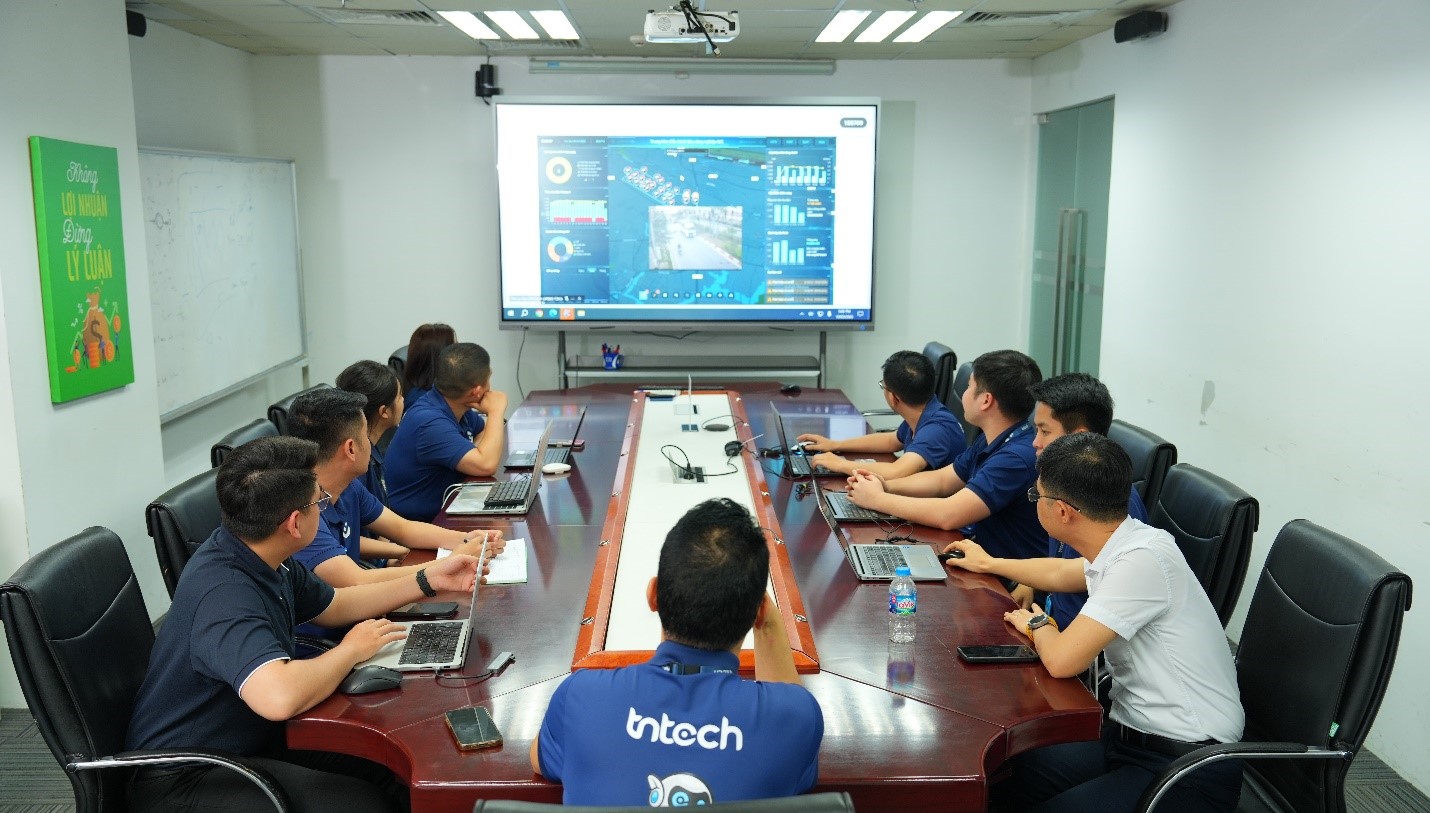
To address these bottlenecks, the Management Board decided to deploy the T.SIE smart operations platform. After 12 months of T.SIE being officially put into operation, the situation improved significantly. Power and lighting systems were optimized through intelligent control; repair costs decreased following the transition to predictive maintenance; while IoT enabled the early detection of water losses and digitalized processes helped streamline the operations team.
T.SIE has demonstrated its effectiveness through measurable results. The industrial park's operating costs were primarily concentrated in four categories: electricity and lighting, repair and maintenance, personnel and management, and water supply and loss management. Following the deployment of the T.SIE smart operations platform, all of these indicators declined significantly: electricity costs fell by 6.5%; repair costs by 3.5%; personnel costs by 5%; and water costs by 3%. The combined impact of these solutions helped reduce operating costs by approximately 18% after one year of implementation. These results were achieved because T.SIE enabled automated lighting, instant detection of electrical and water leaks, prediction of maintenance schedules, and more. At the same time, with many processes automated, the optimal workforce was reduced to just 16 employees.

Service quality and management efficiency also improved, with incident resolution time falling from 24-48 hours to 2-4 hours; the SLA compliance rate rising from 60% to 98%; and customer satisfaction increasing to 94%.
Notably, these results did not come from cutting development expenditure or mechanically reducing headcount, but from digitalizing the entire management process, enabling every operational decision to be made on the basis of data. For example, as the IoT system provides real-time data, the system can automatically detect incidents at an early stage and immediately notify the technical team.
This real-world example shows that the challenge facing modern industrial parks is no longer simply about building high-quality infrastructure, but about how to make that infrastructure operate more efficiently every day. In the era of smart manufacturing, competitive advantage comes not only from rental rates, but also from the ability to help tenants maintain continuous and stable production operations.