The private enterprise sector enters 2026 with a strong momentum, advancing in step with a new era. “Vietnamese Value" is no longer measured solely by scale or growth rate, but by governance standards, operational capabilities, and the ability to participate in global value chains.
Vietnamese Value in a New Competitive Cycle
The global economy in 2026 continues to evolve in a state of divergence. Three major trends are expected to shape the global economic structure: the reconfiguration of trade and supply chains amid geopolitical fragmentation; the adoption of artificial intelligence and investment in digital infrastructure as drivers of productivity enhancement; and the energy transition associated with industrial competition. These changes create both pressure and opportunities for developing economies such as Vietnam.
In this new integration cycle, advantages in low labor costs or rapid expansion are no longer decisive factors. The global market increasingly emphasizes governance capacity, operational standards, technology, and the sustainability of business models.
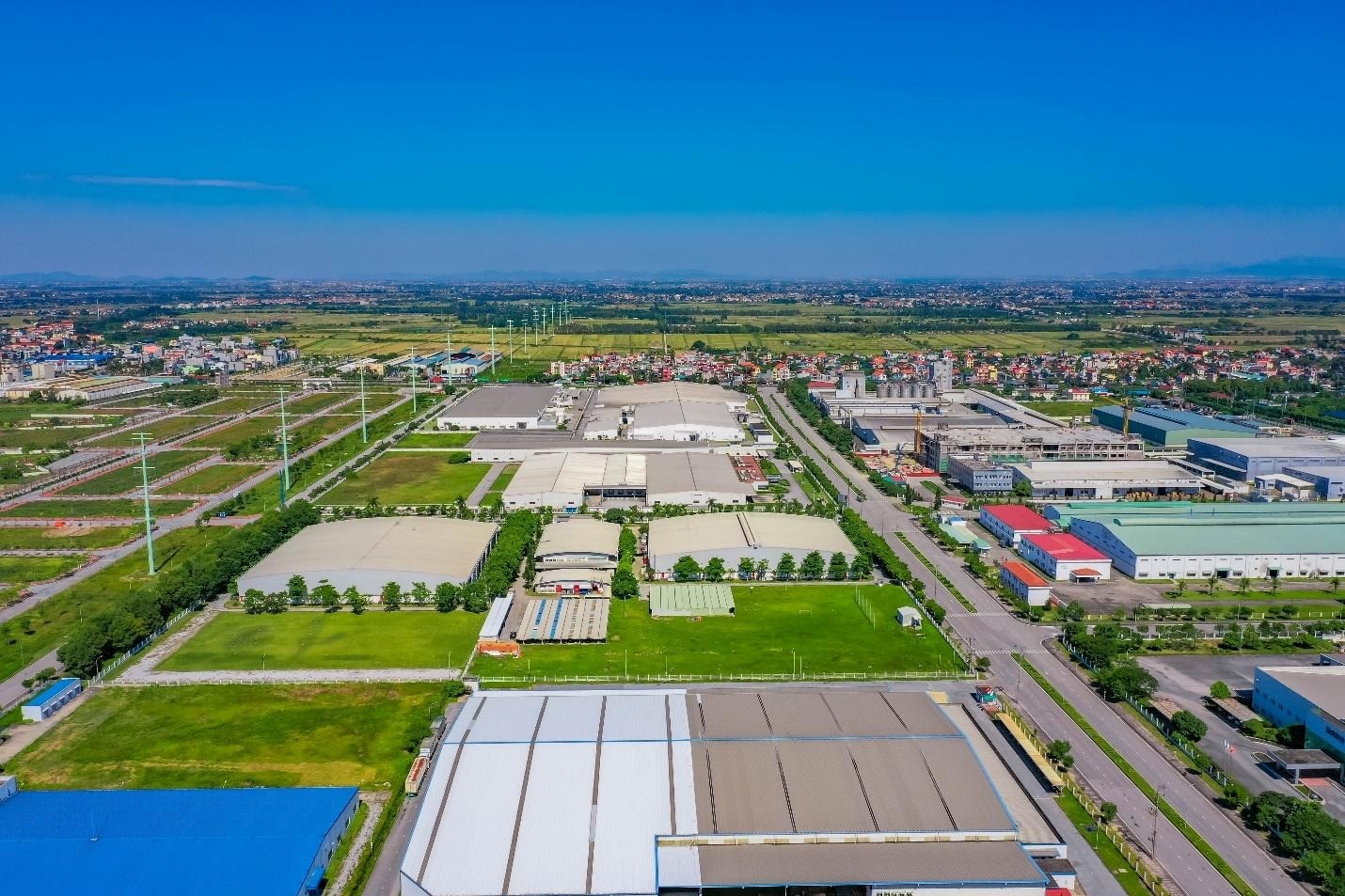
Vietnamese private enterprises are gradually enhancing their competitiveness and participating more deeply in global value chains.
In reality, a segment of Vietnamese private enterprises is entering a more mature phase, as development strategies shift from expansion in scale to efficiency optimization and value chain upgrading. This transition marks an important step for the private sector in affirming its role as a long-term growth driver of the economy.
“Vietnamese Value," therefore, is recognized not only through export products or brands, but also through the capabilities of Vietnamese enterprises within the global production ecosystem.
Corporate Strength – The Driving Force for Going Further
A defining feature of the current development cycle is the increasingly decisive role of internal corporate capacity. In this context, building business ecosystems based on mutually reinforcing pillars has become the strategic choice of many major private enterprises.
ROX Group is an example of this approach. Three decades of formation and development have enabled ROX Group to accumulate governance capacity, operational expertise, and human resources—critical factors of competitiveness in a period of deep integration. On that foundation, the Group has entered a new growth cycle with a strategy focused on core sectors and operational efficiency, rather than broad-based expansion.
Real estate continues to serve as a key pillar, generating revenue streams and long-term asset foundations, while shaping living and working spaces that embody the modern standard of “graceful – stylish – luxurious" lifestyle.
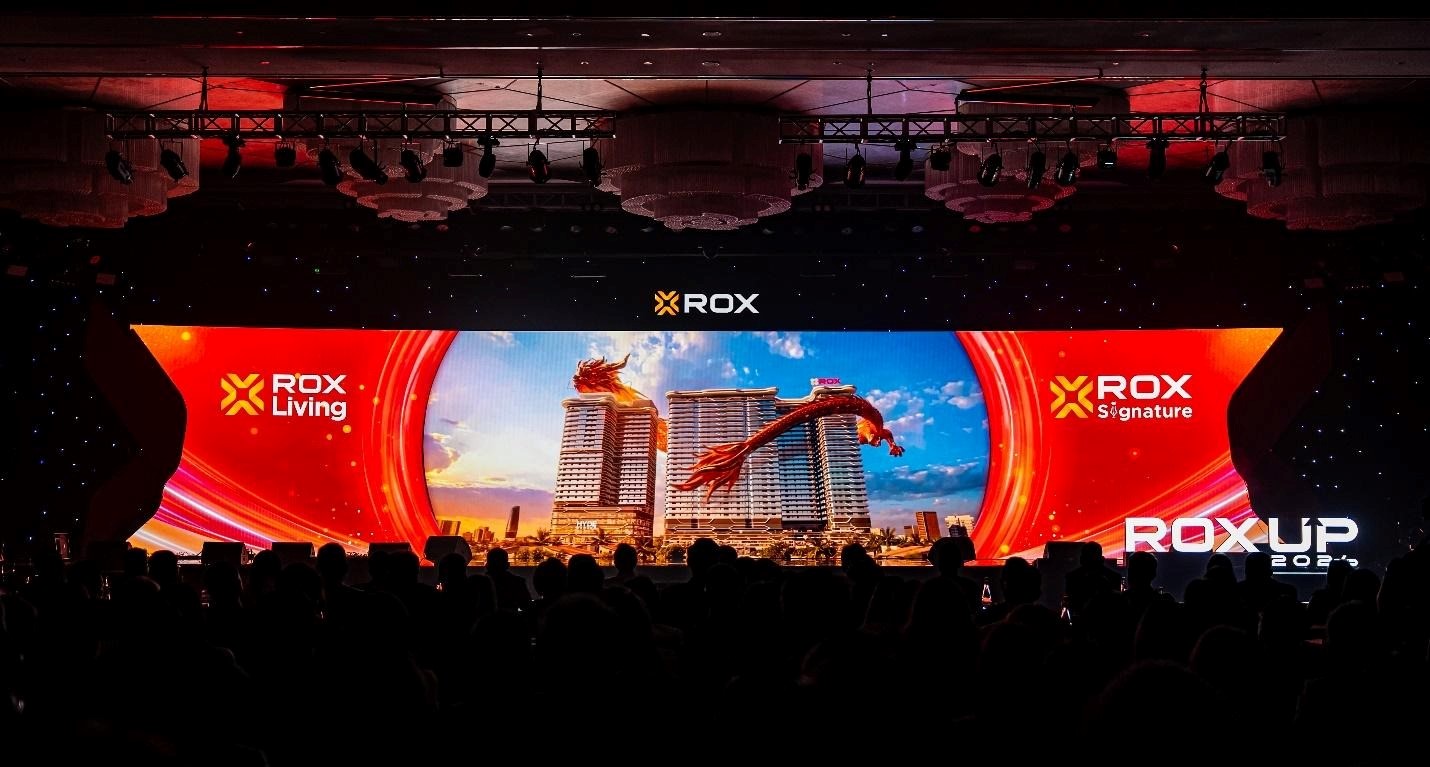
ROX Living and ROX Signature act as spearheads in ROX Group's real estate pillar.
ROX Living focuses on developing projects with long-term exploitation potential, integrated with a synchronized service ecosystem, while continuously enhancing product quality standards and resident experience.
Meanwhile, ROX Signature is gradually positioning its brand in the luxury real estate segment. The Legend Danang—the first branded real estate project managed and developed by ROX Signature—created significant market attention upon its launch. In the coming period, the brand will continue cooperating with partners to introduce new products, adding value to the market and customers.
In the industrial park sector, ROX iPark pursues a high-standard industrial park model aimed at attracting technology-driven and sustainable manufacturing FDI inflows. This approach reflects the shift of Vietnamese enterprises from purely infrastructure development to deeper participation in manufacturing supply chains.
In the services segment, ROX Key (Ticker: TN1) focuses on standardizing its operational system, digitalizing processes, and leveraging customer data, aiming to build large-scale and synchronized management capabilities. The service ecosystem, comprising building operations (TNPM), industrial park operations (IMC), talent supply and management (TNTalent), technology solutions (TNTech), and communications – marketing (Popplife), enables ROX Key to exercise end-to-end control from operations, human resources, and technology to communications, thereby optimizing asset exploitation efficiency and enhancing customer experience.
In parallel, ROX Group is accelerating investment in renewable energy, contributing to Vietnam's net-zero emissions target and strengthening its position within the 21st-century energy–technology supply chain.
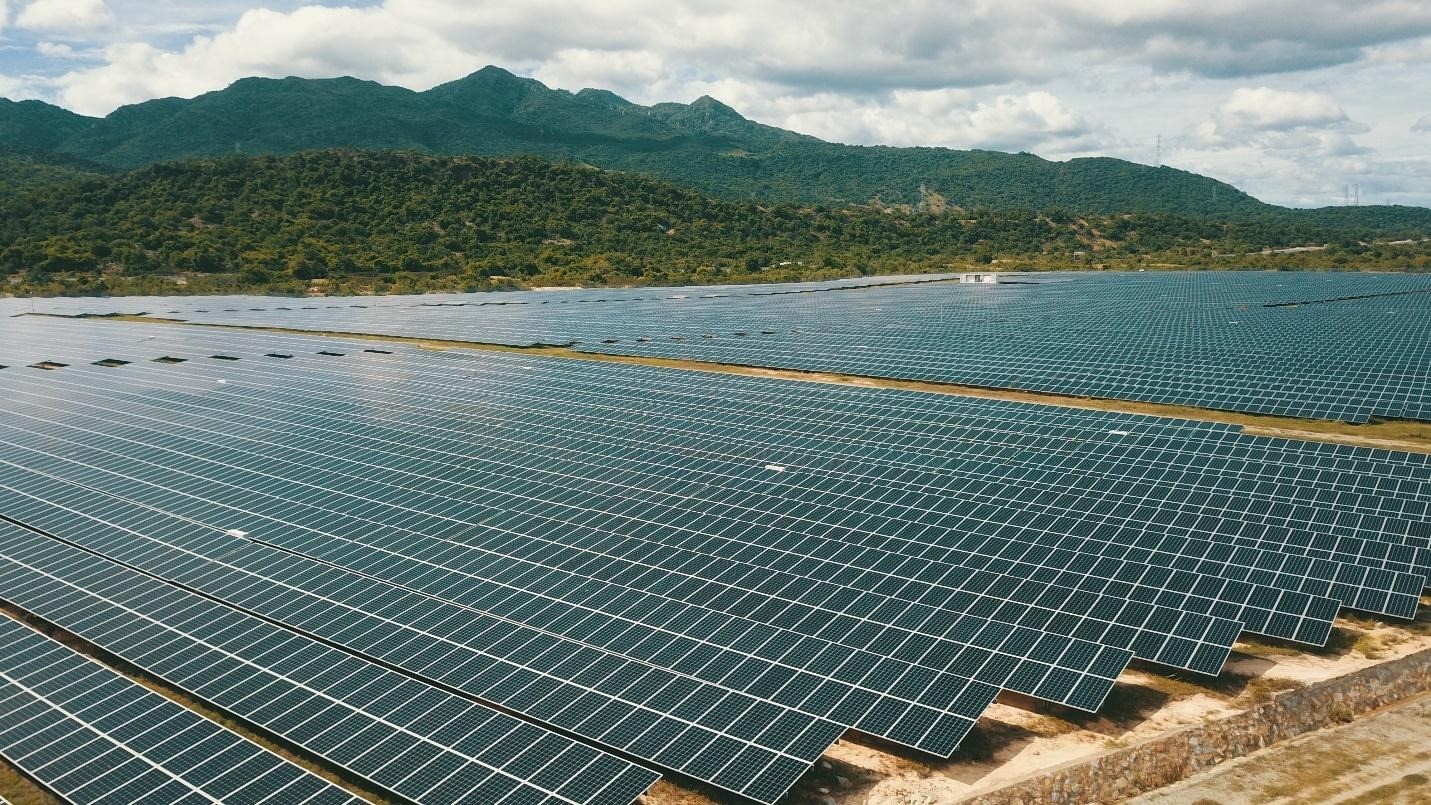
ROX Group accelerates investment in its renewable energy pillar.
A common feature across these business segments is the standardization of governance, data integration, investment in technological infrastructure, and enhancement of workforce capabilities. This enables the ecosystem to operate with discipline, flexibility, and scalability across any market.
As Vietnamese enterprises participate more deeply in global value chains, governance and operational strength become prerequisites for expanding into regional markets and progressively bringing products and services created by Vietnamese enterprises to the international stage.